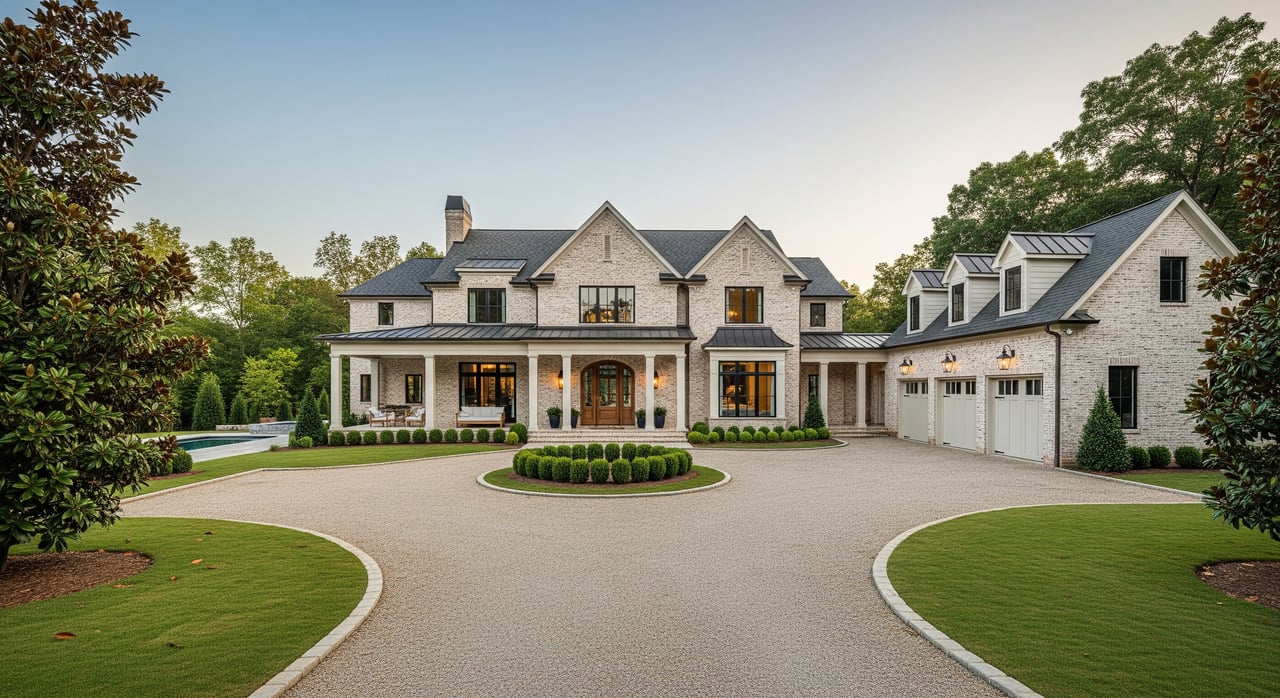
Lakeland New Construction vs. Resale: Which Fits You?
January 15, 2026
January 15, 2026
Torn between a shiny new build and the charm of an existing home in Lakeland? You’re not alone. This is one of the biggest choices you’ll make in your home search, and each path comes with different timelines, costs, and trade-offs. In this guide, you’ll learn how new construction compares to resale in Lakeland, what to budget for, and how to match the choice to your priorities. Let’s dive in.
Lakeland sits in northeastern Shelby County within the greater Memphis area. Many buyers here commute to Downtown Memphis, East Memphis, Germantown, or Collierville. Most residents drive to work, which fits the broader metro’s car-first pattern. For a baseline on local demographics and commute norms, explore the U.S. Census’ QuickFacts resource.
Permits and inspections for new builds are handled locally. If you’re considering building, review permit steps and timelines on the City of Lakeland’s website, and plan for possible seasonal or supply-related delays.
A typical production single-family build often spans about 4 to 9 months from groundbreaking, depending on permitting, weather, and materials. Here’s the common flow:
Spec inventory can close quickly but offers limited customization. Build-to-order gives you choices but extends timelines and can introduce change-order risk.
Builders usually offer a base plan plus options and individual upgrades. Expect firm deadlines for selections. It’s common for buyers to add upgrades that increase the total by a meaningful percentage of the base price. The exact range varies by builder and scope, so get a written options sheet and track costs as you go.
Many builders use a structure often described as 1 year for workmanship, 2 years for systems, and 10 years for major structural coverage. Terms vary, so read the warranty, ask how claims work, and confirm whether it transfers if you sell. For a general overview of structural coverage expectations, warranty providers like 2-10 Home Buyers Warranty explain typical limits and processes.
Even with a warranty, schedule independent inspections at key stages. Many buyers add pre-drywall and final inspections to catch issues before closing.
Financing differs for new builds. Construction-to-permanent loans can involve interest-only payments during the build and draws as work progresses. The Consumer Financial Protection Bureau offers guidance on how construction financing works and what to expect. If comps are thin in a new subdivision or builder incentives are high, appraisals can come in lower than the contract plus upgrades. Plan for a possible appraisal gap and keep upgrades within a budget you can support.
Permitting queues, weather, labor availability, and supply shortages can shift timelines. Late change orders are a frequent cause of delays and higher costs. Build contracts should outline selection deadlines, walk-throughs, and remedies if the schedule slips.
Resale purchases usually close faster, often within 30 to 45 days after your offer is accepted. You can negotiate repairs or credits based on inspection findings and adjust timing to match the seller’s needs. This can be helpful if you have a deadline or need certainty around a move date.
Resales range from turnkey to homes that need immediate updates. Your inspection helps estimate near-term repairs, while national remodeling benchmarks, like the Cost vs. Value report, offer ballpark ranges and potential returns for common projects. Mature trees, established landscaping, and larger lots can add value, though they may increase maintenance.
Conventional, FHA, and VA loans follow routine underwriting steps for resales. If you plan to remodel after closing, ask a lender about renovation loan options and how funds are released. This helps you time updates without stretching your budget too thin.
Resale pricing depends on comparable sales. In fast-moving periods, sold comps can lag reality, which sometimes leads to appraisal friction. The upside is that resales may offer more room to negotiate on price or repairs, depending on supply and demand.
New homes often sell with a premium for modern features and builder margins. Over time, that premium can narrow if nearby resales offer similar features for less. In planned communities with limited lots and growing amenities, appreciation can be strong as the area matures.
In Lakeland, long-term value often ties to location, lot characteristics, and access to everyday services. School assignments and proximity to parks and retail can influence buyer demand. Confirm current school zoning and any HOA covenants before you commit, and consider how neighborhood infrastructure plans might affect future value.
For big-picture price patterns, explore the FHFA’s House Price Index. For hyperlocal trends like months of supply or median days on market, check reports from the Memphis Area Association of REALTORS® (MAAR) or ask your agent for up-to-date data.
Many Lakeland residents drive to Downtown Memphis or suburban job hubs. Peak travel times vary by corridor and time of day. To gauge your commute, test routes with live mapping during your normal hours and review congestion patterns with tools like the TomTom Traffic Index.
Buyers often choose Lakeland for quieter streets and larger lots over proximity to downtown. Consider your regular stops, like groceries, medical providers, youth sports, and parks. A few extra minutes behind the wheel may be worth it if the home and neighborhood fit your lifestyle.
Use this quick list to match your choice to your priorities:
You deserve a clear plan and a calm, informed process. We help you map timelines, compare true costs, introduce trusted local lenders and inspectors, and negotiate to protect your budget and move date. Whether you’re weighing a Lakeland spec home or a great resale, we’ll walk you through each step with responsive, family-centered service.
Ready to find your fit in Lakeland? Connect with the Holtermann Home Team to schedule your free consultation or get a free home valuation.
Whether you're buying, selling, or investing, we'll work tirelessly to help you achieve your goals and exceed your expectations. Let our family help yours find the perfect home!