Historic Charm Or New Build? Deciding In Collierville
April 2, 2026
April 2, 2026
Trying to choose between a character-filled older home and a brand-new build in Collierville? It is a common question, and the answer is not always as simple as “old versus new.” You may be weighing walkability, lot size, upkeep, layout, or long-term value. This guide will help you compare both options in a practical way, so you can focus on what fits your lifestyle best. Let’s dive in.
In Collierville, this decision carries extra weight because the town actively plans for growth while preserving its historic appeal. According to the town’s Historic Preservation Program, the historic core around Town Square plays a major role in the community’s identity, with the Historic District Commission overseeing changes for hundreds of properties in the H-1 overlay.
The town’s long-range planning also points to a future that protects that character. On the Collierville 2040 residential development page, the town notes that new growth is expected to align with Collierville’s historic appeal, and downtown redevelopment is likely to stay relatively compact because vacant land is limited.
That means your choice is not just about age of the home. It is also about how you want to live in Collierville, what kind of setting you prefer, and how much maintenance or oversight feels comfortable to you.
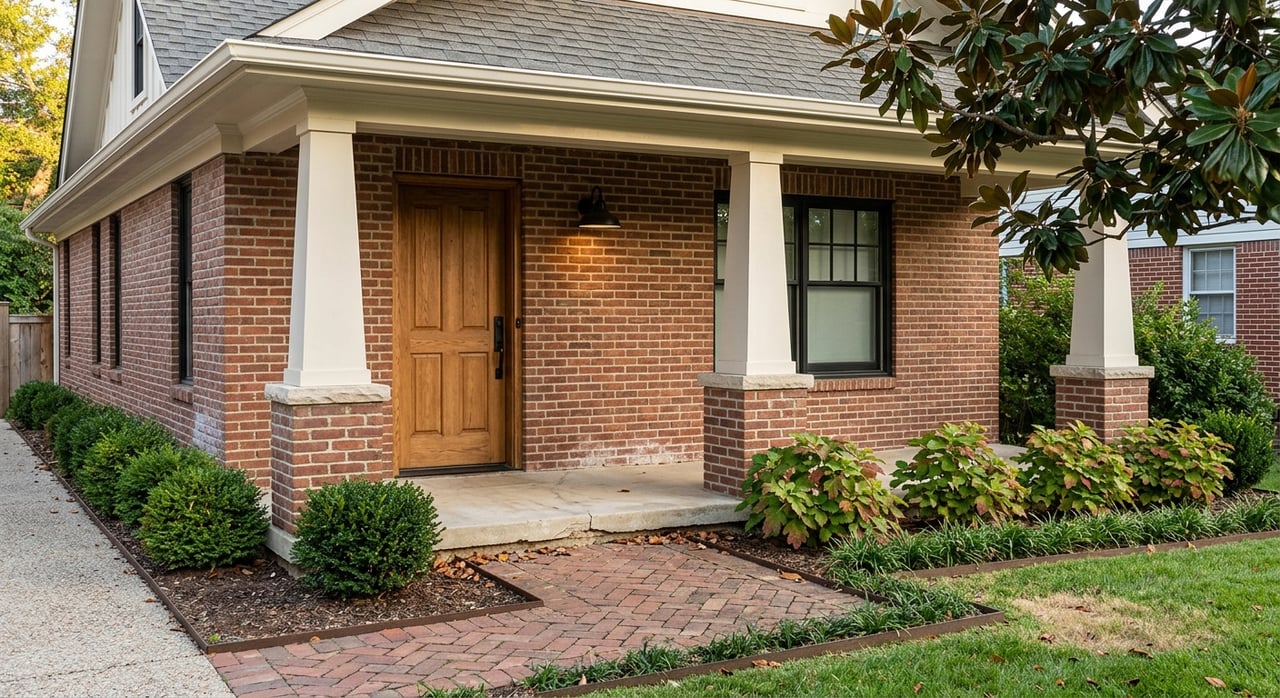
If you are drawn to older homes, historic Collierville often delivers a setting that feels more established and distinctive. The town’s design guidelines describe older homes in the district as part of a village-scale environment with mature trees and houses that often sit farther back on their lots.
That can create a very different feel from a newer subdivision. You may find more variation in architecture, lot layout, and curb appeal from one property to the next. For many buyers, that variety is a big part of the charm.
Town Square also adds to the appeal. The town highlights the area as a destination with shops, eateries, a museum, and a mix of architectural styles on its Collierville Town Square page. If being near that setting matters to you, a historic-area home may feel like the better fit.
Older homes in Collierville are rarely one-size-fits-all. Some have been renovated, some have large lots, and some may need more ongoing care. That means you will want to compare properties carefully rather than assume every historic home comes with the same pros and cons.
Price can vary quite a bit too. The research examples show a renovated 1930 home on North Main Street listed at $485,000 on 0.42 acres, a 1908 home on East Poplar listed at $635,000 on 2.25 acres, and a 1934 home on Walnut sold for $1,025,000 on 0.81 acres. In short, historic charm does not automatically equal a lower price.
This is one of the biggest practical differences. In the historic district, some projects require approval through a Certificate of Appropriateness. According to the town’s historic-district guidelines, routine maintenance, minor repairs, some landscaping, and certain paint work do not require a certificate, but visible exterior changes, additions, fences, new construction, and major site changes often do.
That does not mean historic ownership is difficult. It does mean you should go in with clear expectations. If you love preserving original character and are comfortable with added review for exterior changes, that process may feel well worth it.
The same guidelines stress that regular inspections and ongoing maintenance are usually the less expensive way to prevent larger problems later. For you as a buyer, that means a historic home may reward proactive care.
If you enjoy the idea of stewarding an older property, this can be part of the appeal. If you would rather minimize exterior upkeep and future repair variables, a newer home may feel simpler.
New construction in Collierville tends to appeal to buyers who want updated layouts, more predictable finishes, and a lower-maintenance lifestyle. Based on current examples in newer subdivisions, many homes offer features like covered patios or porches, modern floor plans, and neighborhood amenities managed through an HOA.
That can be attractive if you want a move-in-ready home with fewer immediate projects. You may also prefer the consistency that comes with newer materials, current design choices, and community planning.
Compared with historic areas, newer subdivisions often have smaller lots, tighter spacing, and fewer mature trees. That pattern lines up with the town’s design guidance, which notes that newer residential development in the district usually has less setback and less established landscaping than older homes nearby.
For many buyers, that tradeoff makes sense. You may give up some of the lot individuality and established streetscape of the historic core, but gain a layout and maintenance profile that better matches your day-to-day life.
When comparing new builds, it helps to look past the asking price and review monthly or annual ownership costs too. Recent examples from the research include a home in The Trails at Spring Creek Ranch priced at $541,900 on a 9,147-square-foot lot with HOA dues of $63 per month, and a recent Lockwood new build sold for $499,950 on a 6,098-square-foot lot with annual HOA dues of $2,150.
At a higher price point, a 2025 Oak Hill new-construction home was listed at $1,074,786 on a 0.3-acre lot with $61 monthly HOA dues and community amenities such as a pool and open spaces near parks and Town Square. These examples show how much new-build options can vary by lot size, amenities, and overall setting.
A quick market snapshot can help frame your search. Redfin’s Collierville housing market data reported a February 2026 median sale price of about $482,500, while the research report notes Realtor.com reported a December 2025 median listing price of $559,900 and described the market as balanced.
The key point is this: list price and sale price are different measures, so neither one should drive your decision alone. In Collierville, it is usually smarter to compare these factors together:
That side-by-side approach gives you a more realistic picture than simply asking whether historic or new is “better.”
If you feel torn, it helps to focus on how you want your home to work for you every day. In many cases, the right answer becomes clearer when you look at your priorities instead of the age of the house.
Before you make an offer on either type of home, pause and ask a few honest questions. Your answers can save you time and help you narrow the search quickly.
Older homes can offer charm that is hard to duplicate, but they may ask more of you over time. Newer homes may feel simpler if your schedule is full or you want more predictability.
Some historic homes offer larger lots, deeper setbacks, and more established landscaping. Many newer homes offer efficient outdoor space, but often on smaller lots.
If you want a neighborhood pool, walking trail, or HOA-managed features, newer subdivisions may check more boxes. If your ideal setting is tied to Town Square and a more established streetscape, an older home may be the stronger match.
Historic homes often stand out from one another. New builds usually offer more consistency in plan, finishes, and neighborhood appearance.
In Collierville, historic charm and new construction both have real advantages. Historic homes can offer walkability, mature trees, larger or more varied lots, and a one-of-a-kind feel. New builds can offer easier upkeep, updated layouts, and community amenities that simplify daily life.
The best choice comes down to what matters most to you: character or convenience, individuality or predictability, Town Square access or subdivision amenities. If you want help comparing neighborhoods, lot sizes, and home styles in Collierville, the Holtermann Home Team can walk you through your options with local insight and responsive, step-by-step guidance.
Whether you're buying, selling, or investing, we'll work tirelessly to help you achieve your goals and exceed your expectations. Let our family help yours find the perfect home!